Study Summary

Published · Concept Testing · Packaged Food

Fisga tested two cookie ideas with the same shoppers in Denver and Boise. Warm cookies delivered in 30 minutes felt the most new, but only 1 in 3 profiles said they would buy them. A grocery pack of protein cookies won 72% to 28%, and 9 in 10 said it was worth the price. Our recommendation: launch the grocery pack first, and talk about taste before nutrition.

This was a Fisga test of two ideas, not a client study.

The Two Ideas

Two cookie ideas,
tested with the
same shoppers.

In most meetings, the exciting idea wins. It's easier to pitch and more fun to talk about. We wanted to know which idea shoppers would actually pay for.

So we showed both ideas to the same group of profiles in Denver and Boise. We asked which one they would pick, whether they would buy it, and whether it was worth the price.

The Decision

Which cookie should launch first: the delivery box or the grocery pack?

This decides where the money goes first: building a delivery business, or getting a product onto grocery shelves.

What Was at Stake

Spending the launch budget on an idea people like but won't pay for.

An idea can feel new and still not sell. Finding that out after launch is expensive.
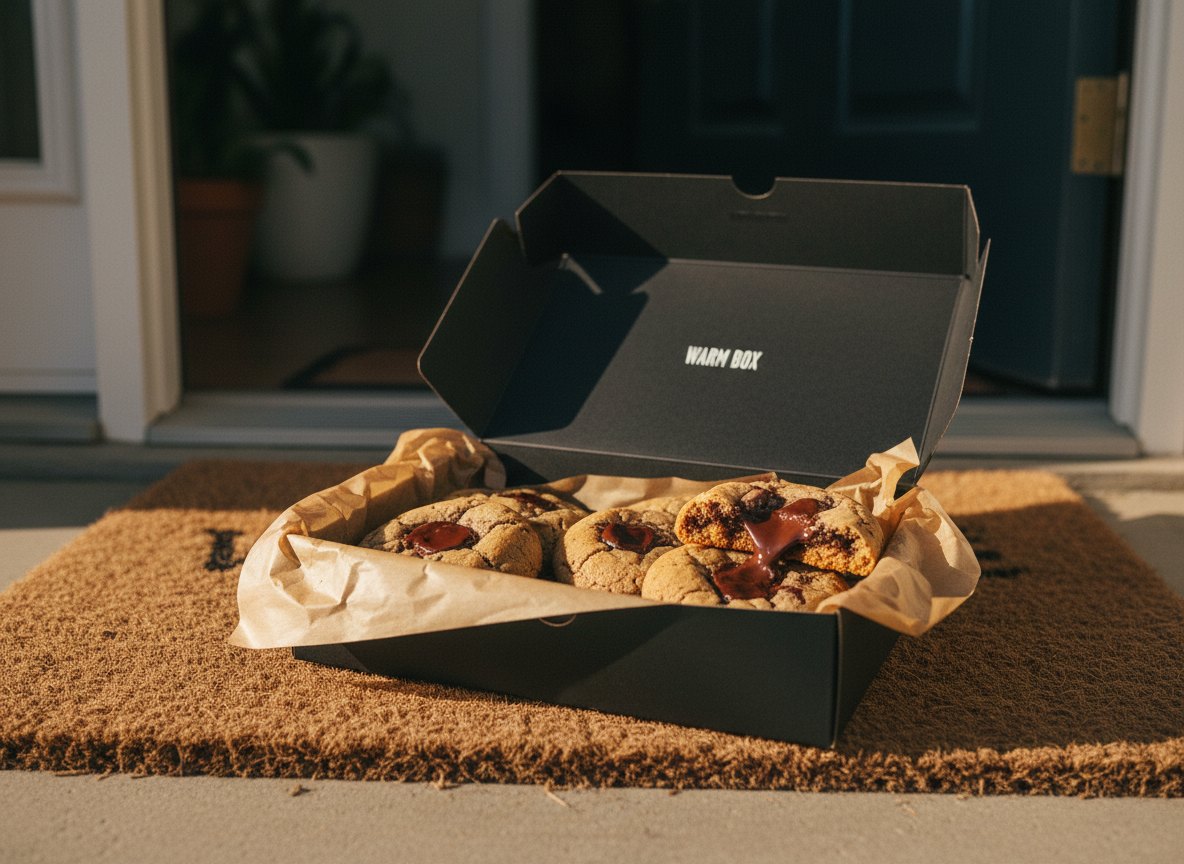
Warm Box
Idea A

Warm Box

Warm gourmet cookies delivered to your door in 30 minutes. Four cookies for $18.
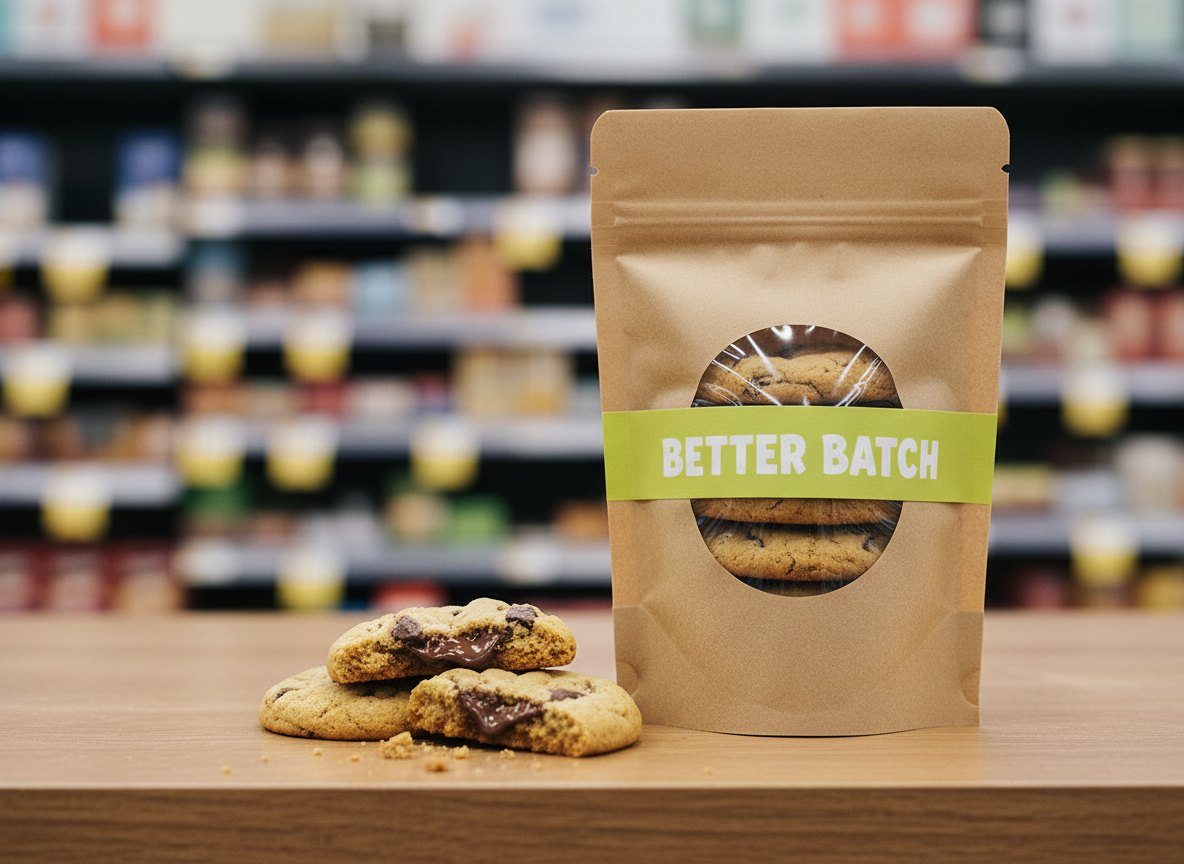
Better Batch
Idea B

Better Batch

Six soft baked cookies with 10 g of protein and 6 g of sugar, sold at the grocery store for $7.99.

How Fisga Worked

01
The brief

Figgy asked about the decision, the two ideas and who they were for in a short chat. That became the study brief.

02
Building the profiles

Fisga built 139 profiles from federal data about Denver and Boise: who lives there, what they earn and how they spend.

03
Scoring both ideas

Each profile saw both ideas. Every result is calculated and shown with a range, so you can see how sure it is.

04
The results

The results came back in 23 minutes: a one page summary and a full report.

23 minutes,
built on federal data.

The study took 23 minutes because the data is already loaded, and the study starts as soon as the brief is confirmed. Work that used to take weeks of surveys and analysis was ready before the meeting ended.

Where the numbers come from

Built on federal data.

Each city in this study was built from federal data about who lives there, what they earn and how they spend. Every number on this page was calculated, and each one comes with a likely range.

Population dataIncome and spending dataEconomic dataHealth and behavior dataSocial survey data

What the Panel Found

People liked the delivery box.
They picked the grocery pack.

The result was clear. 72% chose Better Batch, the grocery pack. The likely range is 64% to 79%. Nobody chose neither.

The delivery box felt the most new. Almost 9 in 10 said it was different from anything else out there. But only 1 in 3 said they would buy it, and only 1 in 3 thought $18 for four cookies was worth it.

The grocery pack did much better. 62% said they would buy it, and 9 in 10 said $7.99 for six was worth it.

72%
Chose Better BatchThe grocery pack won by 44 points. Likely range: 64% to 79%.
62%
Would buy Better BatchAlmost double the delivery box, which got 33%.
90%
Said it was worth the price$7.99 for six cookies. The delivery box got 33%.

The Snapshot

This is the summary
every Fisga client gets.

Every Fisga study starts with a one page summary like this one. It shows the winner, how big the lead is, and how sure the result is. The dashed lines show the likely range. Clear skies means the winner is clearly ahead.

How They Scored

The delivery box only
won on feeling new.

Each profile rated both ideas on the same questions. The delivery box only came out ahead on feeling different. Better Batch was ahead on everything that leads to a sale: would buy, worth the price, appeal and trust.

What sold it was the nutrition: 10 g of protein and 6 g of sugar. 54% picked that as the best part of the idea. The least popular detail was oat flour, at 25%.

How each idea scored
Would buy
Better Batch61.9% (53 to 70)
Warm Box32.6% (25 to 40)
Worth the price
Better Batch89.8% (85 to 94)
Warm Box33.2% (25 to 41)
Appeal
Better Batch93.1%
Warm Box65%
Believable
Better Batch89.2%
Warm Box47.4%
Feels different from what's out there
Better Batch26%
Warm Box88.5%

The numbers in brackets show the likely range.

The Risk

The biggest risk
is taste.

Better Batch won on nutrition and price. But a lot of people expect protein cookies to taste worse. Profiles wanted proof that this one still tastes like a real cookie.

So the launch should talk about taste first, then nutrition. Free samples and a clear taste promise on the pack will do more than another health claim.

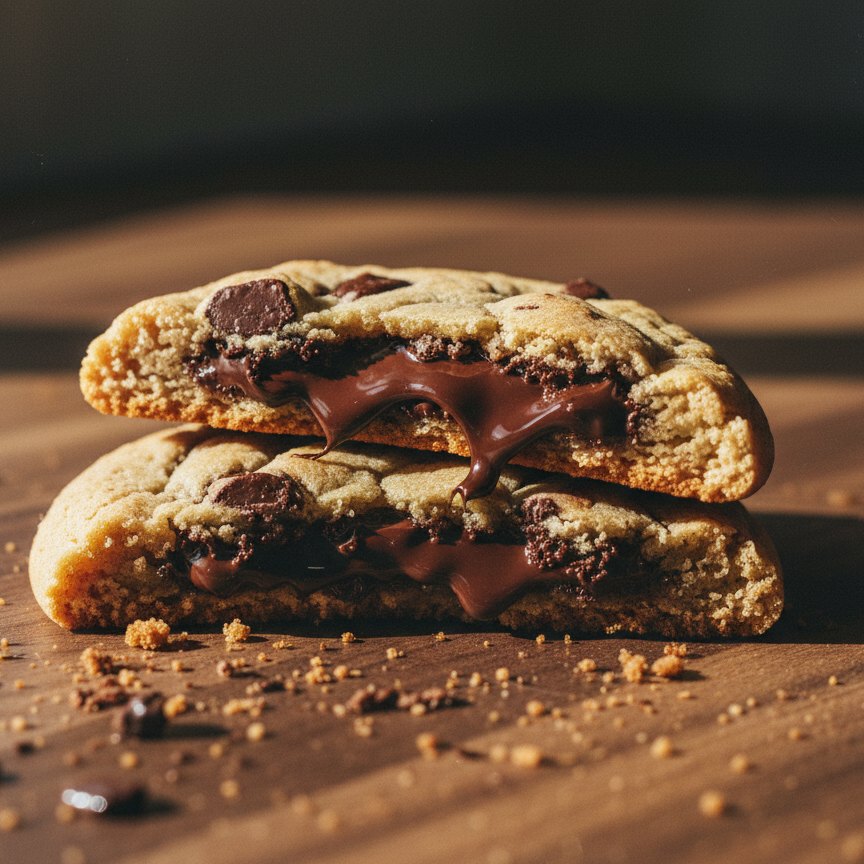
A soft baked cookie broken in half

The Answer

Launch the grocery pack first.
Talk about taste first,
then nutrition.

The delivery box was the most exciting idea in the room. The grocery pack is the one shoppers chose. Launch Better Batch first. The delivery box can come later, once people know the brand.

The next question is price. 9 in 10 said $7.99 was worth it, so a pricing study can show whether there's room to charge more.

Launch

Better Batch first.

72% chose it, 62% would buy it, and 9 in 10 said it was worth the price.

Message

Taste first, nutrition second.

Protein and low sugar sold the idea. Taste is what needs proof.

Wait

Hold the delivery box.

It felt the most new, but only 1 in 3 would buy it at $18 for four cookies.

Next Study

Test the price.

See how far above $7.99 the price can go before launch.

Keep Exploring

Another decision.
Another answer.

View all studies →